How to Use AI in HR: A Complete Guide for Modern HR Professionals
Artificial Intelligence is transforming the way organizations manage their workforce. Today, HR professionals are expected to move beyond administrative tasks and become strategic business partners. This is where how to use AI in HR becomes an important topic for modern organizations.
Understanding how to use AI in HR allows companies to automate repetitive tasks, make better decisions using data, and create a better experience for employees. From recruitment to learning and development, AI is helping HR teams work smarter and focus on strategic initiatives. HR professionals can also explore online courses with certification to develop practical AI skills and stay updated with emerging HR technologies.
In this blog, we will explore how to use AI in HR, the benefits it brings to organizations, the key areas where it is applied, and how HR leaders can prepare for an AI-driven future. Enrolling in relevant online courses with certification can help aspiring and experienced HR professionals strengthen their knowledge and prepare for the evolving demands of the workplace.
Why Understanding How to Use AI in HR Is Important
The workplace is evolving rapidly, and HR departments must adapt to new technologies. Learning how to use AI in HR enables organizations to improve efficiency, reduce operational workload, and make smarter decisions based on real-time data.
When HR teams understand how to use AI in HR, they can move from manual processes to automated systems that improve productivity and accuracy.
Some reasons why companies are investing in how to use AI in HR include:
- Faster recruitment processes
- Better employee experience
- Data-driven decision making
- Reduced administrative workload
- Improved workforce planning
Organisations that understand how to use AI in HR gain a competitive advantage by building stronger teams and improving overall business performance.
Key Benefits of Learning How to Use AI in HR
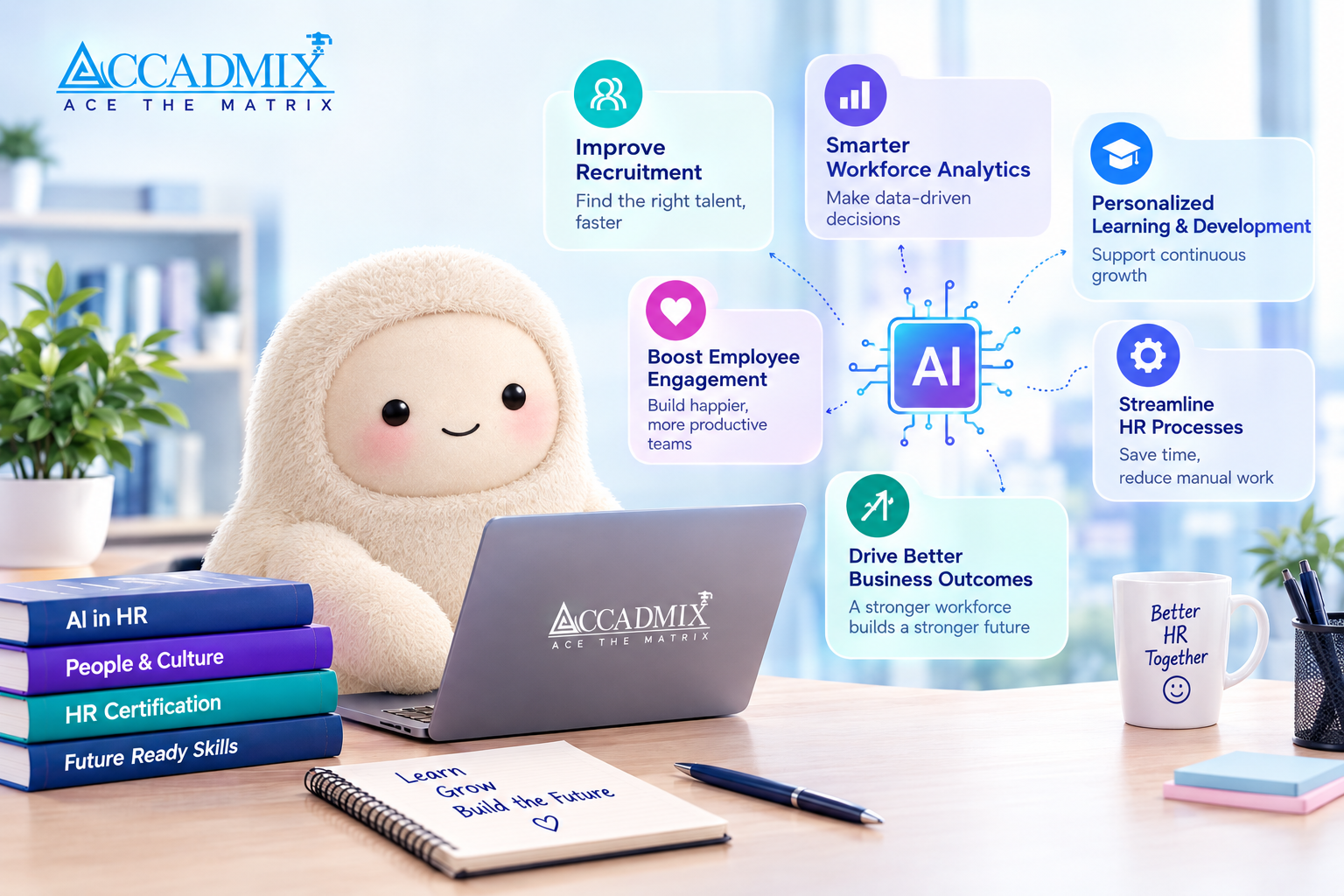
There are several advantages of understanding how to use AI in HR for modern organizations. AI technologies help HR teams operate more efficiently while allowing professionals to focus on
strategic goals.
Increased Efficiency Through How to Use AI in HR
One of the biggest advantages of how to use AI in HR is automation. AI can handle repetitive tasks such as data entry, resume screening, scheduling interviews, and managing employee records.
This reduces manual work and allows HR professionals to focus on activities that require human judgment and creativity.
Improved Decision Making Using How to Use AI in HR
Another major benefit of how to use AI in HR is better decision making. AI tools analyze large amounts of workforce data and generate insights that help HR leaders make informed decisions.
For example, AI can help predict employee turnover, identify performance trends, and recommend better hiring strategies.
Better Employee Experience with How to Use AI in HR
Companies that understand how to use AI in HR can improve the employee experience significantly. AI-powered chatbots, automated HR support, and personalized learning platforms create a smoother employee journey.
Employees receive faster responses, personalized training opportunities, and better engagement initiatives.
Reduced Errors by Applying How to Use AI in HR
Human errors in HR processes such as payroll, compliance tracking, and employee data management can cause major problems. Learning how to use AI in HR helps organizations reduce these
errors through automation and accurate data processing.
Higher Productivity by Using How to Use AI in HR
When HR teams adopt how to use AI in HR, they spend less time on repetitive tasks and more time on strategic work such as leadership development, talent management, and organizational
growth.
How to Use AI in HR for Talent Acquisition
Recruitment is one of the most powerful areas where how to use AI in HR can create significant improvements.
AI tools help HR teams manage large applicant pools and identify the most suitable candidates quickly.
Some ways companies apply how to use AI in HR for recruitment include:
- Automated resume screening
- AI-powered candidate sourcing
- Smart interview scheduling
- AI chatbots for candidate communication
- Predictive hiring analytics
By using how to use AI in HR for recruitment, companies can reduce hiring time and improve the quality of candidates.
How to Use AI in HR for Employee Onboarding
Another important area where companies implement how to use AI in HR is employee onboarding.
AI simplifies the onboarding process by automating administrative tasks and providing real-time support to new hires.
Examples of how to use AI in HR for onboarding include:
- Automated document verification
- Digital onboarding workflows
- AI chatbots answering employee queries
- Personalized onboarding programs
Organizations that apply how to use AI in HR for onboarding create a smoother and more engaging experience for new employees.
How to Use AI in HR for Employee Engagement
Employee engagement is critical for productivity and retention. Learning how to use AI in HR helps HR teams monitor employee sentiment and improve workplace culture.
AI tools analyze feedback, surveys, and communication patterns to understand employee satisfaction.
Common uses of how to use AI in HR for engagement include:
- AI-driven employee surveys
- Sentiment analysis of feedback
- Predictive engagement insights
- Personalized well-being programs
By implementing how to use AI in HR, organizations can proactively address employee concerns and improve workplace satisfaction.
How to Use AI in HR for Learning and Development
Modern organizations must continuously upskill their workforce. Understanding how to use AI in HR helps companies design personalized learning experiences.
AI-powered learning platforms analyze employee skills and recommend training programs that match their career goals.
Examples of how to use AI in HR for development include:
- Identifying skill gaps
- Personalized training recommendations
- AI-generated learning content
- Tracking employee learning progress
Using how to use AI in HR for learning and development ensures employees stay relevant in a rapidly changing job market.
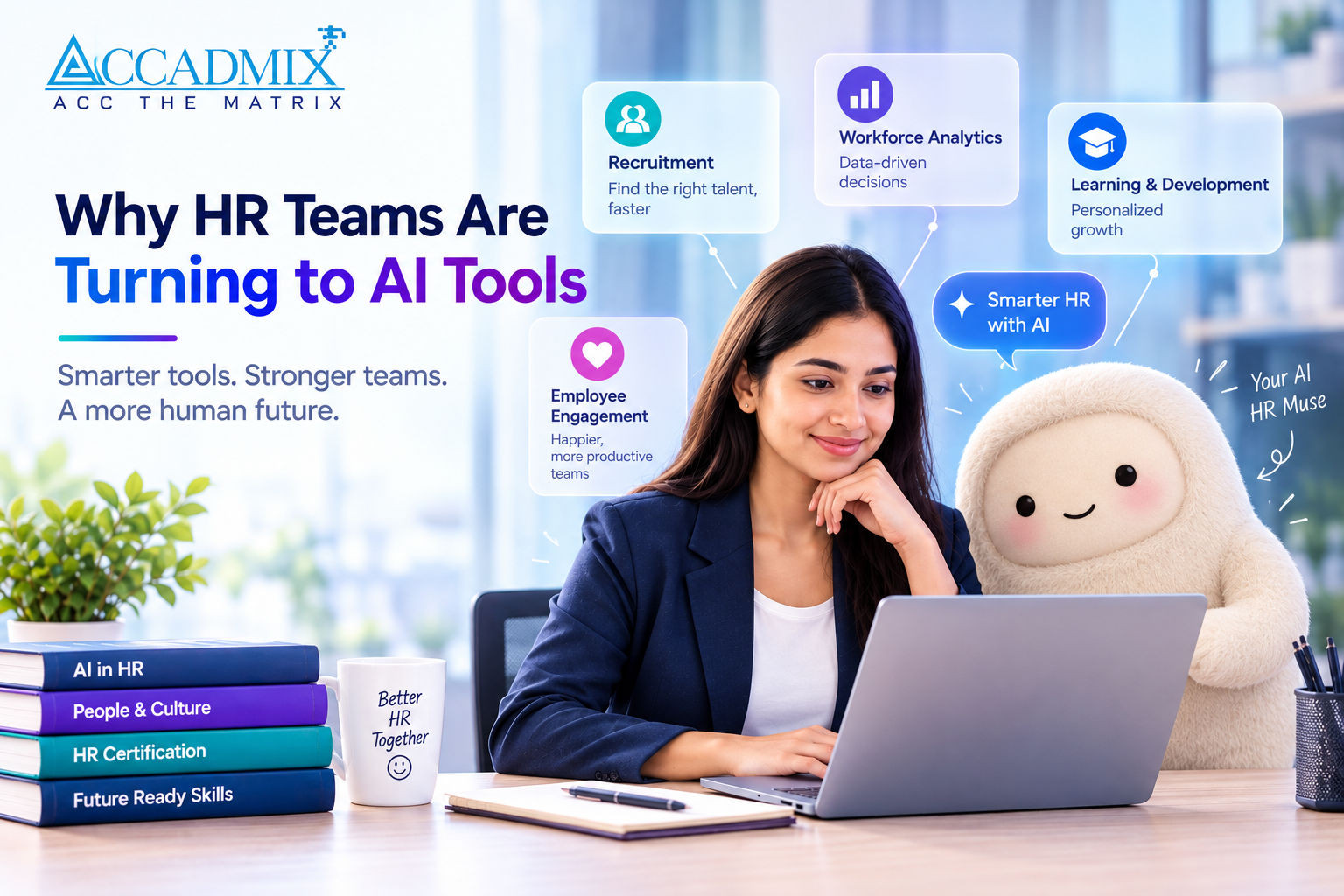
Why HR Teams Are Turning to AI Tools
The conversation around how to use AI in HR has shifted dramatically in recent years. HR teams are no longer asking if they should use artificial intelligence — they are asking how to use it effectively while still keeping the human element at the center of their work. As a result, many professionals are exploring online courses with certification to understand emerging AI technologies and their applications in modern HR practices.
HR has always been about people. The goal is to build strong teams, support employees, and create a workplace where individuals can grow and perform at their best. But the reality is that modern HR departments are facing more pressure than ever before. Learning through practical training and online courses with certification can help HR professionals develop the digital skills needed to adapt to these changing workplace demands.
Recruitment demands are increasing. Employee expectations are evolving. Organizations want deeper insights into performance, engagement, and workforce planning.
All of this is happening while HR teams are expected to maintain a people-first culture. This growing demand for both technical and interpersonal skills makes continuous learning increasingly important for HR professionals.
That balancing act is exactly why more organizations are exploring how to use AI in HR. AI-powered tools can support recruitment, employee engagement, workforce analytics, and learning and development. Professionals who want to strengthen their understanding of these applications can consider online courses with certification that focus on practical HR skills and AI-driven workflows.
Artificial intelligence does not replace HR professionals. Instead, it acts as a powerful support system that helps HR teams work more efficiently while staying focused on the human side of their role.
When implemented correctly, AI becomes a quiet assistant in the background — handling repetitive work, analyzing data, and providing insights so HR professionals can focus on meaningful interactions with employees. By combining practical experience with online courses with certification, HR professionals can continue developing relevant skills and prepare for the evolving demands of an AI-driven workplace.
The Growing Workload of Modern HR Teams
HR professionals today often feel like they are managing multiple priorities at the same time.
On any given day, HR teams may be responsible for:
- Managing high-volume recruitment
- Tracking employee engagement
- Monitoring performance and productivity
- Supporting employee development
- Ensuring compliance and documentation
- Planning workforce strategy
Each of these responsibilities requires time, attention, and careful decision-making.
Without the right tools, HR professionals can quickly become overwhelmed by administrative work. Many hours are spent on tasks like scheduling interviews, reviewing resumes, managing
employee records, or responding to routine questions.
This is where understanding how to use AI in HR becomes incredibly valuable.
AI technology can automate many of these repetitive tasks, allowing HR teams to focus on strategic work that creates real impact within the organization.
Benefits of Using AI in HR
When implemented responsibly, AI can help HR departments improve efficiency and provide more consistent support.
Key benefits include:
1. Reduced administrative workload: AI can assist with repetitive drafting, summarisation, and reporting tasks.
2. Faster recruitment workflows: Recruiters can prepare job descriptions, interview materials, and candidate communications more efficiently.
3. Better access to workforce insights: AI-assisted analysis can help HR teams identify patterns that need further investigation.
4. More personalised learning: Employees can receive learning recommendations aligned with their roles and development goals.
5. Improved employee support: Approved AI assistants can make routine HR information easier to find.
6. More time for strategic work: HR professionals can devote additional attention to employee development, workforce planning, and organisational culture.
These benefits are not automatic. They depend on the quality of the data, the suitability of the tools, effective implementation, and appropriate human oversight.
Challenges of Using AI in Human Resources
Despite its advantages, AI introduces important risks that HR teams must understand.
Data Privacy and Confidentiality
HR departments manage sensitive information, including salary details, employment records, and performance reviews. Sharing this information with an unapproved AI system can create privacy and security risks.
Best practice: Use organization-approved tools, follow internal data policies, and minimize the personal information entered into AI systems.
Bias in Recruitment and Performance Decisions
AI systems may reproduce patterns of historical discrimination or produce unfair recommendations if their data or design is unsuitable.
Best practice: Evaluate AI-assisted processes for bias, use job-related criteria, document decisions, and maintain meaningful human review.
Inaccurate AI-Generated Information
AI can generate incorrect statements, outdated policy information, or fabricated details.
Best practice: Verify all important facts, legal references, employee communications, and HR documents before using them.
Employee Trust and Transparency
Employees may feel uncomfortable if AI is used to monitor, evaluate, or make decisions about them without explanation.
Best practice: Communicate clearly where AI is being used, explain its role, and provide appropriate channels for employees to ask questions or challenge decisions.
How to Implement AI in HR: A Step-by-Step Approach
HR departments do not need to automate every process at once. A focused pilot is often a more practical starting point.
Step 1: Identify a Specific HR Problem
Choose a process that consumes significant time or creates a recurring challenge, such as drafting job descriptions, answering routine policy questions, or preparing training materials.
Step 2: Select an Appropriate AI Tool
Evaluate available tools based on functionality, security, cost, ease of use, and compatibility with existing systems.
Step 3: Establish Data and Usage Guidelines
Define what employees can enter into AI tools, which tasks require approval, and how confidential information must be protected.
Step 4: Run a Small Pilot
Test the selected workflow with a limited group. Compare the quality, accuracy, and time required with the existing process.
Step 5: Measure the Results
Track relevant indicators, such as time spent per task, error rates, employee satisfaction, recruitment workflow efficiency, or training completion.
Step 6: Train HR Professionals
Help the HR team learn how to write effective prompts, verify AI-generated outputs, protect confidential information, and recognise potential bias.
Step 7: Improve and Expand Gradually
Use feedback and pilot results to refine the process before introducing AI into other HR activities.
Skills HR Professionals Need in the Age of AI
As AI becomes more common in HR, professionals need a combination of traditional HR knowledge, digital skills, and analytical thinking.
Important skills include:
- AI literacy: Understanding how AI works, where it can fail, and when human judgement is necessary.
- HR analytics: Interpreting workforce data and identifying meaningful patterns.
- Prompt writing: Giving AI tools clear instructions and evaluating their responses.
- Recruitment technology: Understanding applicant tracking systems and AI-assisted hiring workflows.
- Data privacy and ethics: Handling employee information responsibly.
- Communication and problem-solving: Explaining decisions, supporting employees, and managing workplace challenges.
- Change management: Helping teams adapt to new technology and processes.
Professionals can build these skills through practical projects, workplace experience, guided training, and relevant certifications.
If you want to explore practical learning opportunities in HR, AI, and other in-demand professional skills, visit Accadmix to discover available programmes.
The Future of AI in Human Resources
AI is likely to become increasingly integrated into recruitment platforms, employee support systems, learning management, and workforce analytics.
HR teams may use AI more extensively to assist with skills mapping, workforce scenario planning, internal mobility, and personalised learning.
However, the future of HR will not depend on technology alone. Trust, empathy, communication, fairness, and sound judgement will remain essential to effective people management.
The strongest HR professionals will be those who understand both people and technology and know how to use AI responsibly to solve genuine workplace problems.
Frequently Asked Questions
1. How is AI used in HR?
AI is used in recruitment, onboarding, employee engagement, performance management, learning and development, HR analytics, and routine administrative tasks. It helps HR professionals process information and prepare work more efficiently while people retain responsibility for important decisions.
2. Which AI tools are useful for HR professionals?
Tools such as ChatGPT, Microsoft Copilot, Google Gemini, and HR platforms such as Zoho People can support different HR workflows. The best option depends on the task, available features, data protection requirements, and organisational needs.
3. Can AI replace HR professionals?
AI can automate or assist with some repetitive HR activities, but it cannot fully replace the human judgement, empathy, negotiation, ethical reasoning, and relationship-building required in people management. HR professionals who learn to use AI effectively can strengthen their existing skills.
4. How can beginners learn AI for HR?
Beginners can start with AI fundamentals, prompt writing, recruitment use cases, HR analytics, data privacy, and practical exercises. They can explore guided training programmes and online courses with certification that include relevant projects and workplace applications.
5. What are the risks of using AI in HR?
The main risks include data privacy breaches, biased recommendations, inaccurate outputs, insufficient transparency, and overreliance on automated decisions. Clear guidelines, appropriate tool selection, regular evaluation, and human oversight help reduce these risks.
6. How can a company start using AI in HR?
Start with a clearly defined, low-risk task such as drafting job descriptions or summarising non-confidential survey feedback. Select an approved tool, establish usage guidelines, test the workflow, measure results, and expand only after reviewing the outcomes.
Conclusion
AI is transforming the way HR teams approach recruitment, employee engagement, performance management, and workforce development. By automating suitable tasks and supporting data analysis, it can help HR professionals work more efficiently and focus on higher-value responsibilities. To stay competitive in this evolving field, professionals can explore online courses with certification to develop practical AI skills, strengthen their HR expertise, and prepare for emerging career opportunities.
Successful AI adoption requires more than choosing a tool. Organisations need reliable processes, data protection, employee trust, regular evaluation, and human oversight.
For HR professionals, developing AI literacy and practical digital skills is an important step toward staying relevant in a changing workplace. Explore Accadmix to learn more about professional training opportunities and skills that can support your career development.